Services · CO₂ Sensors
CO₂ Sensor Installation & Monitoring
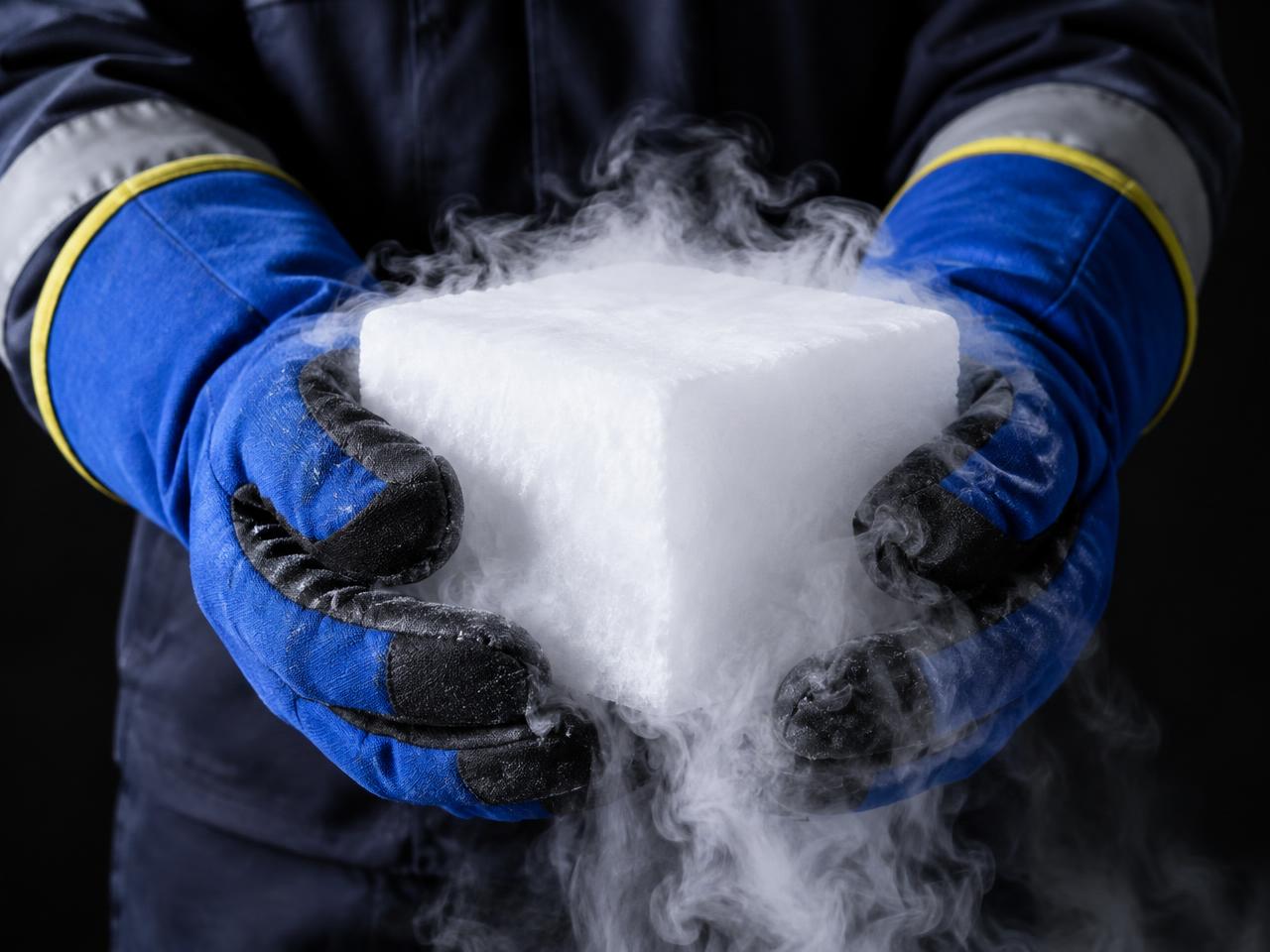
Dry ice turns into carbon dioxide gas that you can't see. PA Dry Ice installs CO₂ sensors for facilities and vehicles that store, handle, ship or use dry ice.
- of CO₂ gas from 1 lb of dry ice as it sublimates (approx., at room temperature)
- ≈8.8 ft³
- of CO₂ gas from 1 lb of dry ice as it sublimates (approx., at room temperature)
- heavier than air, so CO₂ tends to collect near the floor
- ≈1.5×
- heavier than air, so CO₂ tends to collect near the floor
- OSHA permissible exposure limit for CO₂ (0.5%), 8-hour time-weighted average
- 5,000 ppm
- OSHA permissible exposure limit for CO₂ (0.5%), 8-hour time-weighted average
- oxygen level below which OSHA considers air oxygen-deficient
- 19.5%
- oxygen level below which OSHA considers air oxygen-deficient
The hazard
Why CO₂ Build-Up Is Dangerous
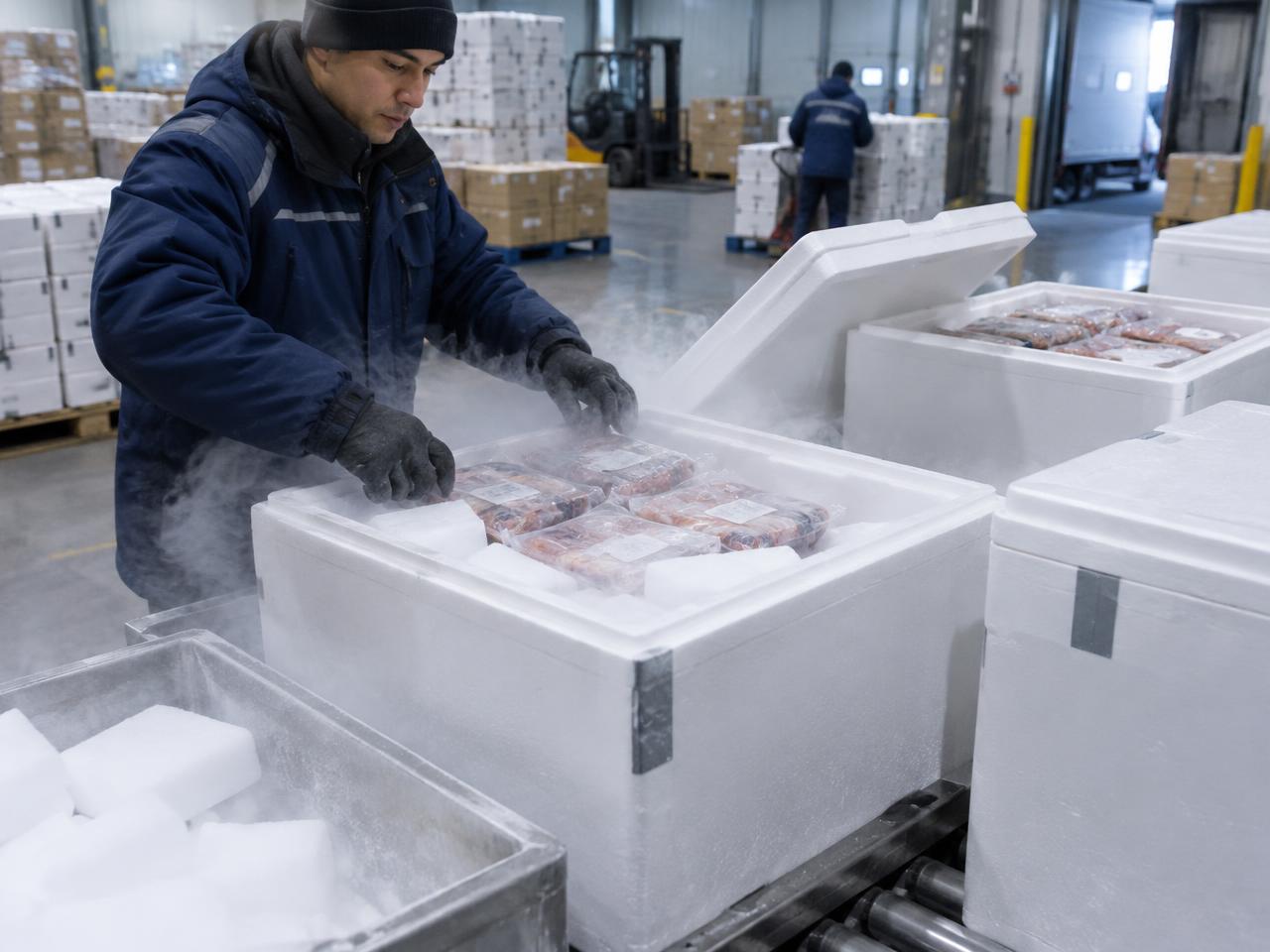
CO₂ at high concentrations can cause headaches, dizziness, loss of consciousness and asphyxiation. Around dry ice, three things make it easy to miss:
It never stops sublimating
It sinks and collects
You can't see the risk
Where monitoring matters most
- Walk-in freezers and cold rooms holding dry ice
- Delivery vans and truck cargo areas
- Packing bays where dry ice is weighed and boxed
- Basements, pits and other low or enclosed spaces
- Labs with open dry ice baths or storage bins
- Tanks, molds and rooms used for dry ice blasting
How it works
Fixed Sensors, Portable Monitors, Alerts & Ventilation
Most programs combine continuous room monitoring with portable devices for people on the move.
Fixed sensors
Portable monitors
Alerts
Ventilation
CO₂ vs. oxygen monitors
Why an Oxygen Monitor Isn't Enough
Oxygen monitors alarm when oxygen falls below 19.5%. Displacing enough air to reach that point takes roughly 6–7% CO₂, which is far above CO₂ exposure limits.
Dedicated CO₂ sensor
- Measures carbon dioxide directly
- Responds at levels relevant to CO₂ exposure limits (ppm)
- Gives early warning around dry ice storage and handling
Oxygen-deficiency monitor only
- Measures oxygen, not CO₂
- Alarms only after a large amount of air is displaced
- CO₂ can already be at hazardous levels before it alarms
Not sure what your space needs? Start with a consultation.
Request a Sensor ConsultationInstallation
How Installation Works
A typical installation follows these steps. The equipment, scope and which steps PA Dry Ice performs for your site are confirmed with you during the consultation.
- Step 1
Site assessment
Review rooms, dry ice quantities, airflow and how people use the space. - Step 2
Sensor placement
Choose locations and mounting heights for where CO₂ is likely to collect. - Step 3
Configuration
Set alarm points based on your facility's requirements; connect alerts or ventilation where the system supports it. - Step 4
Testing
Check that sensors read and alarms trigger as intended at installation. - Step 5
Maintenance
Follow the calibration and testing schedule the sensor manufacturer specifies; ongoing service options are discussed with your quote.
Industries served
Where Dry Ice Calls for CO₂ Detection
These are the most common places dry ice creates a CO₂ risk. Expand each one to see practical examples.
Using dry ice for blasting? See Why Choose Dry Ice Blasting?
Cold Chain Logistics & Last-Mile DeliveryVehicles and freight areas carrying dry-ice-packed shipments.
- Truck cargo areas and delivery vans, where sensors can alert drivers to gas build-up before they open doors or enter.
- Airport cargo holding rooms and freight hubs handling dry-ice-packed vaccines and biologicals.
Pharmaceuticals, Medical Labs & Life SciencesUltra-cold storage and lab sample handling.
- Biobanks, hospitals and pharmaceutical distribution centers storing samples in walk-in freezers with dry ice; low-mounted sensors can be tied to exhaust ventilation.
- Enclosed labs with open dry ice baths or bins, where personal or fixed monitors help keep exposure below OSHA limits.
Dry Ice Manufacturing & StorageProduction, storage silos and packing areas.
- Pellet and block production, where converting liquid CO₂ to dry ice releases significant gas; ambient sensors protect plant workers.
- Bulk storage and packing areas that sublimate constantly, often with floor-level monitors wired to ventilation.
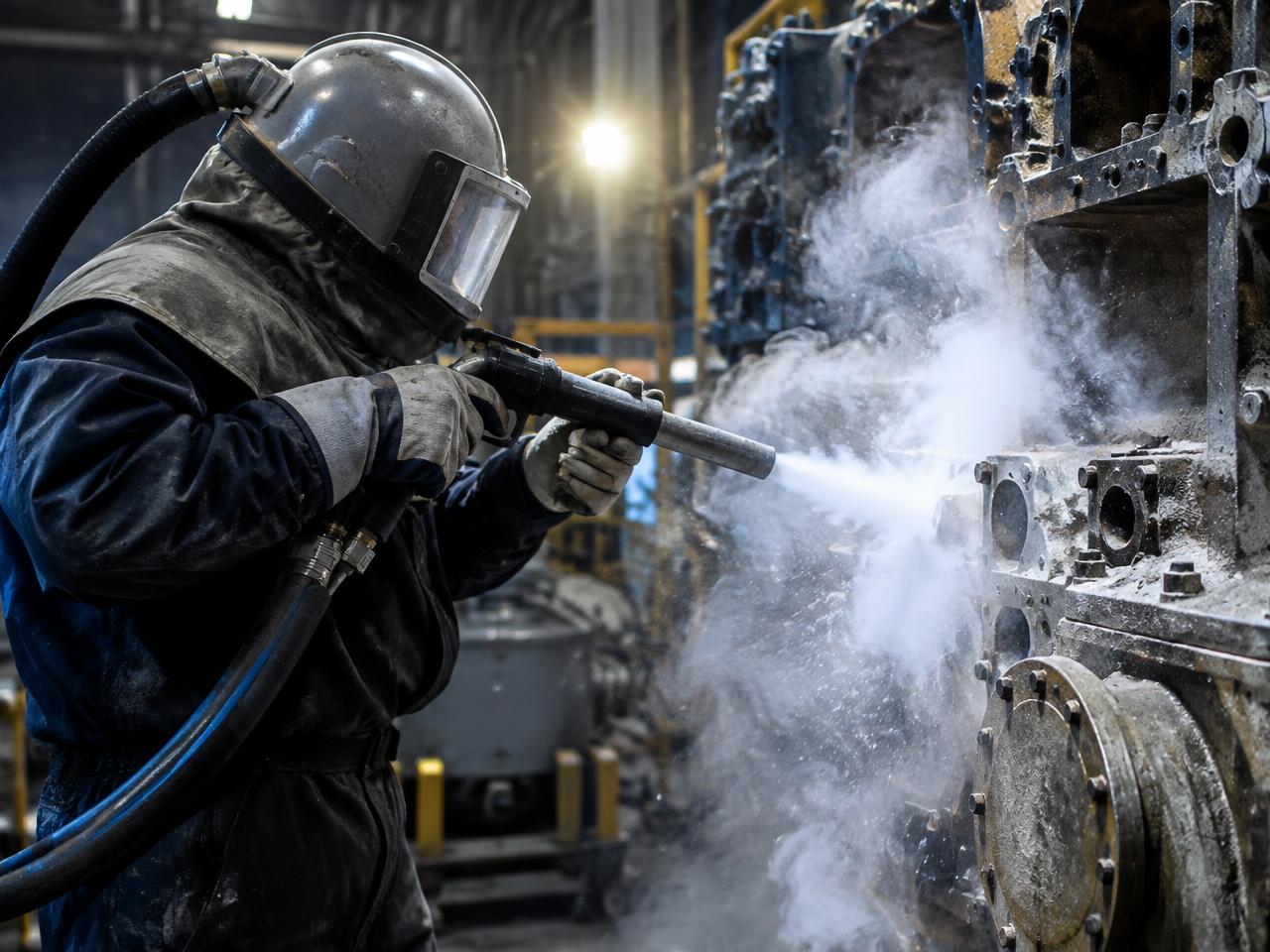
Dry Ice BlastingIndoor and confined-space cleaning with dry ice pellets.
- Automotive, manufacturing and power facilities where pellets are blasted indoors.
- Blasting inside tanks, molds or enclosed rooms, where portable CO₂ monitoring is essential and typically part of a confined-space program.
Food & Beverage Processing / CateringKitchens and fulfillment bays packing with dry ice.
- Airline catering and event kitchens packing large numbers of meal boxes on open assembly lines.
- Frozen meat, seafood and ice cream fulfillment bays where dry ice is weighed and boxed by hand.
Planning
What Affects Installation Requirements & Pricing
- Number of rooms, vehicles or zones to monitor
- Size, layout and airflow of each space
- How much dry ice or CO₂ is stored or used
- Fixed sensors, portable monitors, or both
- Connecting alarms or ventilation
- Mounting, wiring and power at each location
- Your safety program, insurer and local code requirements
FAQs
CO₂ Sensor Questions
Where should CO₂ sensors be placed?
Because CO₂ is heavier than air, sensors are generally mounted low, near where gas collects and where people work or enter. Exact locations and heights depend on the room, airflow and how dry ice is stored, and are confirmed during the site assessment.
What happens when an alarm goes off?
Alarms are meant to warn people to leave or stay out of the space and to ventilate it before re-entry. Your facility should have a written response procedure. Alarm points are configured to your facility's requirements and applicable exposure limits.
Can I just use an oxygen monitor?
Not on its own. CO₂ reaches hazardous levels well before oxygen drops to the 19.5% level that triggers a standard oxygen-deficiency alarm. A dedicated CO₂ sensor measures the gas that is actually building up.
How often do sensors need inspection or calibration?
It depends on the sensor. Follow the manufacturer's calibration and testing schedule; we'll cover maintenance considerations for the equipment recommended for your site.
Is CO₂ monitoring required for my facility?
Requirements depend on your facility, how much dry ice or CO₂ you handle, local codes and your insurer. Many facilities that store or handle dry ice in enclosed spaces choose continuous monitoring. Confirm specific obligations with your safety professional or the authority having jurisdiction.
Is my facility a good candidate?
If dry ice is stored, packed or used in a closed room, cold storage unit, vehicle or low area, monitoring is worth discussing. Tell us about your space and we'll talk through options.
Talk to us about CO₂ monitoring
Tell us your facility type, location and what you need to monitor — the PA Dry Ice team will follow up.